
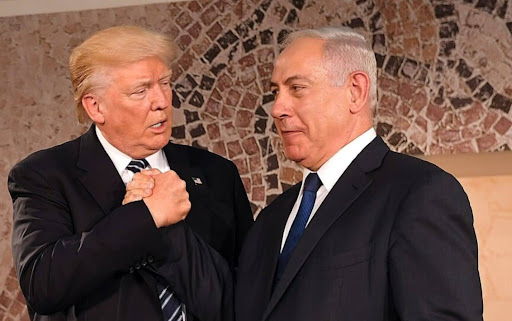
The military tactics deployed by the United States and Israel in their joint campaign against Iran reflect the deeper divergence in their ultimate goals. Washington has concentrated its efforts on degrading Iran’s nuclear infrastructure, weakening its missile systems, and striking naval assets — a campaign designed to limit Iranian military capability in specific and measurable ways. Israel has pursued a broader strategy that includes the assassination of military and political figures, designed to destabilize the Iranian government from the inside. These are different wars, conducted in the same theater.
The difference in tactics became strategically relevant when Israel struck the South Pars gas field — a target that falls outside the American campaign’s focus on nuclear and military assets. US President Donald Trump said publicly he had told Israeli Prime Minister Benjamin Netanyahu not to carry out the attack. Iran retaliated with strikes on regional energy targets, driving up global fuel prices and alarming Gulf allies. The episode illustrated how Israel’s broader strategic approach can generate consequences that Washington is left to manage.
Netanyahu confirmed acting alone and agreed not to repeat the gas field strike, but defended the broader principle of Israeli independent action. His public framing emphasized shared values and deep alliance with Trump, while subtly reaffirming that Israel makes its own military judgments. The balance he struck was deliberate: cooperative in tone, sovereign in principle.
Director of National Intelligence Tulsi Gabbard told Congress that the two governments have different objectives — a rare instance of a senior US official acknowledging the divergence on the record. The US wants to stop Iran from going nuclear. Israel wants to transform the region and potentially change Iran’s government. These goals overlap in some areas and diverge sharply in others.
Trump has backed away from supporting an Iranian uprising, describing it as unrealistic for a population without weapons. Netanyahu has maintained that internal pressure on the Iranian government is a viable and desirable goal. The difference in what each leader considers a realistic and acceptable outcome for the conflict shapes every tactical decision — including which targets are hit, and when.